August 18, 2026
China Invades Europe via Spain: How Chinese car brands are bypassing European tariffs by using M&A as a market strategy.
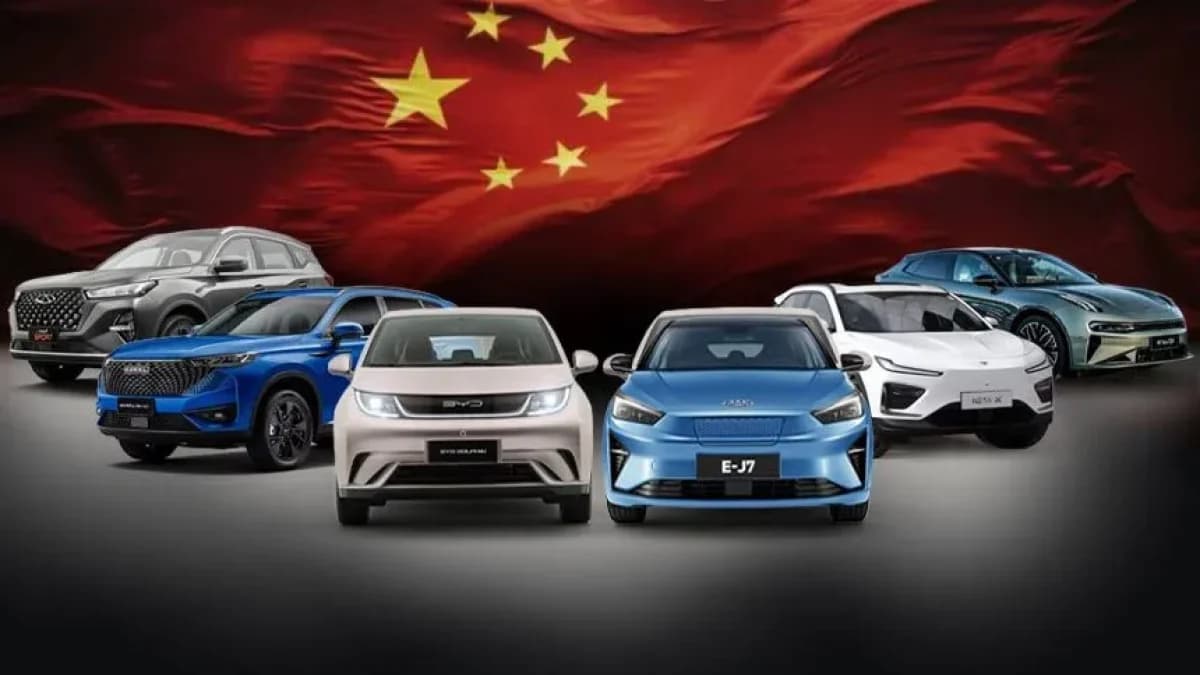
Chinese automotive brands are mounting an industrial and commercial offensive in Spain, leveraging mergers, joint ventures, acquisitions, and the transfer of production capacity to circumvent European Union tariffs on Chinese-made electric vehicles. The Iberian nation has become the primary European hub for these operations, with projects involving historic manufacturing plants and the revitalization of Spanish brands.
According to industry data, Chinese-origin brands are already capturing approximately 14% to 15% of the Spanish new vehicle market, surpassing the European average. More than 25 to 30 Chinese or Chinese-backed brands are active in the country, led by groups such as SAIC (MG), BYD, Chery (Omoda, Jaecoo, and Ebro), and Geely. Their strategy combines aggressive commercial expansion with local production to avoid countervailing duties and meet European content requirements.
Key ongoing operations
Chery and Ebro (EV Motors)
The joint venture at the former Nissan plant in Barcelona’s Zona Franca is owned 60% by Spain’s Ebro/EV Motors and 40% by Chery. The plant is already assembling models for the revitalized Spanish brand Ebro (using Chery technology) and is moving toward the production of Omoda and Jaecoo vehicles. The goal is to achieve significant volumes (with a long-term target of up to 150,000 units annually). The operation has revitalized employment and positions Chery as one of the first Chinese manufacturers with established production on Spanish soil.
SAIC (MG) in Galicia
The state-owned SAIC group, owner of MG (one of the best-selling Chinese brands in Spain and Europe), has announced plans for its first European factory at the Outer Port of Ferrol. The project involves an initial investment of approximately €200 million, a projected capacity of 120,000 vehicles per year starting in 2028, and the creation of thousands of direct and indirect jobs. The port location facilitates exports, particularly to the United Kingdom. The project focuses on the production of hybrid and electric vehicles based on an "in Europe, for Europe" strategy.
Impact and Outlook
These transactions represent a wave of M&A activity and strategic alliances that is reshaping the Spanish automotive industrial landscape. Spain is emerging as the primary gateway for Chinese production in Europe, ahead of alternatives in Eastern Europe or other countries. Additional projects (including potential ventures by BYD, Changan, and others) remain under consideration.
For the M&A market, this phenomenon illustrates a trend among Chinese groups toward "asset-light" models or the utilization of idle capacity, combined with joint ventures that balance local control with Asian technology. The success of these projects will depend on the integration of European suppliers, adherence to timelines, and consumer acceptance of the growing range of "Made in Spain" vehicles with Chinese DNA.
These dynamics confirm that the energy transition and trade barriers are accelerating the global reconfiguration of the automotive industry, with Spain at the heart of China's strategy for the continent.